
Search
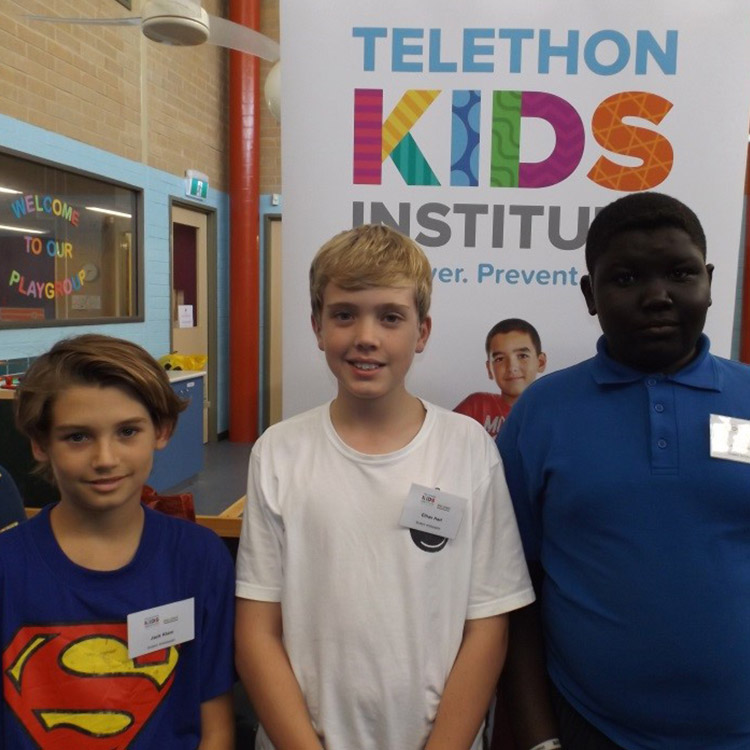
Ethan recently took part in Belong, a study led by The Kids which aims to ensure deaf and hard of hearing kids have a happy & positive school experience
Otitis media (OM) is the leading cause of childhood hearing loss but its burden in low-middle-income countries like Papua New Guinea (PNG) is poorly understood. We aimed to determine the proportion of children aged ≤15 years attending clinics in Goroka, Eastern Highlands Province, PNG with OM and associated risk factors.
The Raine Study is a long-running study looking at the health and well-being of a group of Western Australian families for over 35 years. Participants are at the heart of the study, shaping its research direction and communication. While participants have previously contributed to research grant development, they had not been directly involved in setting the Raine Study’s overall research agenda.
Streptococcus pneumoniae (Pnc), nontypeable Haemophilus influenzae (NTHi) and Moraxella catarrhalis (Mcat) are the most important bacterial pathogens...
Acute lower respiratory tract infections (ALRI) commonly result in fatal outcomes in the young children of Papua New Guinea (PNG).
Human rhinovirus (HRV) species C (HRV-C) have been associated with frequent and severe acute lower respiratory infections and asthma in hospitalized children.
In the 1990s pneumonia hospitalisation rates in Western Australia (WA) were 13 times higher in Indigenous children than in non-Indigenous children...
The authors previously reported an increased risk of hospitalisation for acute lower respiratory infection up to age 2 years in children delivered by...
Concerns about the risk of inducing immune deviation-associated "neonatal tolerance" as described in mice have restricted the widespread adoption...
Streptococcus pneumoniae, Moraxella catarrhalis, and nontypeable Haemophilus influenzae is associated with otitis media