
Search
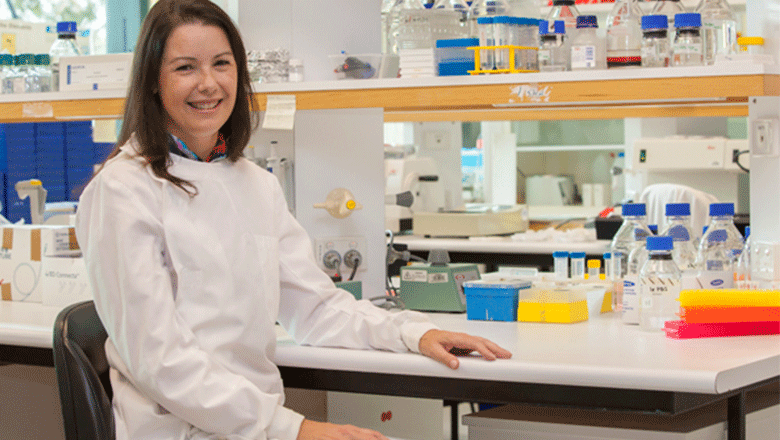
When Ingrid Laing was born, the outlook for kids with cystic fibrosis was bleak. Her parents were told she might make it to 20 if she was lucky.
We are looking for 6 new members to join our Child and Adolescent Cystic Fibrosis Consumer Reference Group of WA
That's why Melissa has signed up her four year old healthy son Odin for a study at Perth's The Kids Research Institute Australia that will help kids with cystic fibrosis.
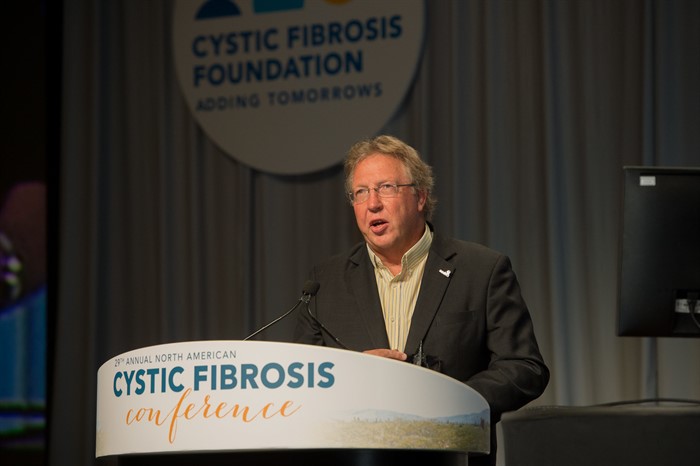
Professor Stephen Stick has been awarded the prestigious Richard C. Talamo Distinguished Clinical Achievement Award from the US Cystic Fibrosis Foundation.
Researchers at Perth's Telethon Institute are one step closer to preventing serious lung disease which is the main cause of suffering in cystic fibrosis.
COMBAT CF is one of two long-standing international trials which have resulted in new early intervention options helping to reduce progressive lung damage in kids living with CF.
Cystic fibrosis (CF) is the most common chronic, life-shortening genetic condition affecting young Australians. There is no cure but researchers are working to prevent the onset of lung disease.
Tracheobronchomalacia (TBM) is characterised by abnormal collapsibility of the trachea and bronchi, often seen in children with cystic fibrosis (CF). This study aims to determine the impact of TBM on hospital admissions in young children with CF.
Pulmonary exacerbations pose a significant clinical burden on people with cystic fibrosis (pwCF). Whether management of exacerbations should change in the context of modulator therapy is unclear. We describe the characteristics, treatment and lung function outcomes of pulmonary exacerbations requiring intravenous antibiotic therapy (PERITs) in a contemporary Australian cohort of pwCF, in an era of rapidly broadening access to modulator therapy.
Positive expiratory pressure devices are frequently used for airway clearance in children with cystic fibrosis and tracheobronchomalacia. This study aimed to establish if electrical impedance tomography is a feasible measure to titrate pressures in non-sedated children.