
Search
Based on the socioecological conceptual model, the physical environment within the home, childcare and neighbourhood domains are key factors that influence preschool children's physical activity; however, the relative importance of each of these domains for preschool children's physical activity is unclear.
Improving nutrition and physical activity is a global health priority. Within Cochrane’s new production model, Thematic Groups (TG) with specialist content and review methods expertise have been established. The purpose of TGs is to support the development and dissemination of high-quality evidence syntheses on priority issues.
Diet and physical activity are two lifestyle behaviours that are critical for healthy ageing. The aim of this study was to explore how older adults negotiate dietary and physical activity decisions to identify areas of intersection between these two behaviours and inform health promotion interventions targeting both diet and exercise.
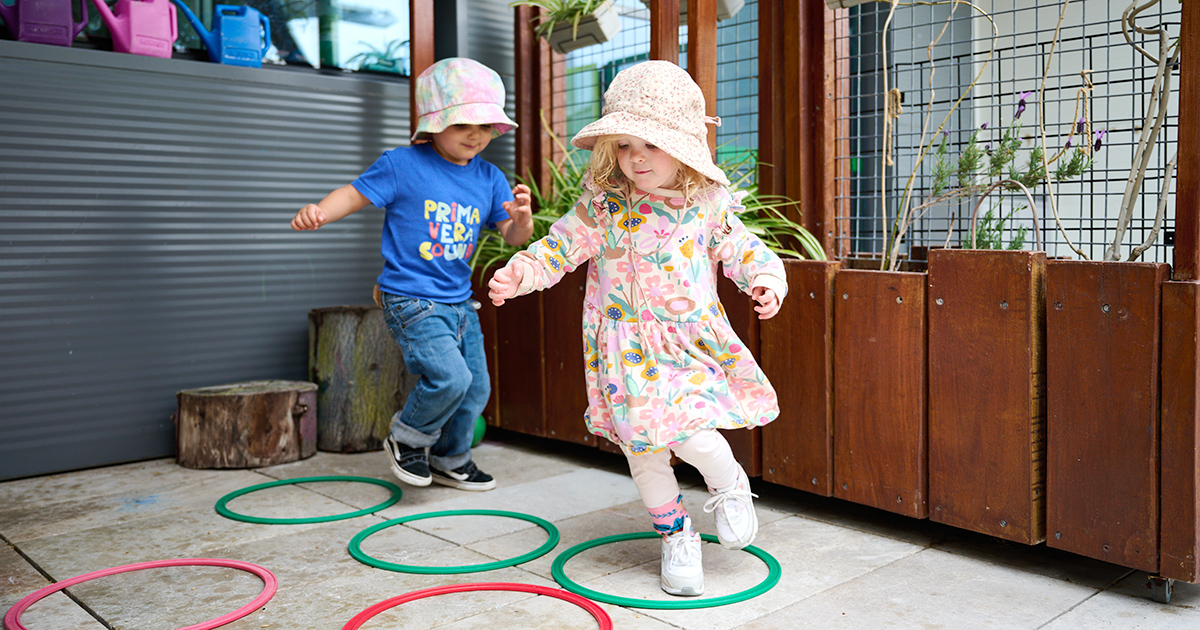
Did you know our research shows that less than 20 per cent of young Australian children get enough energetic play each day? Many children are spending more time sitting still or on screens, and not enough time moving, exploring and playing, which is fundamental to their healthy development.
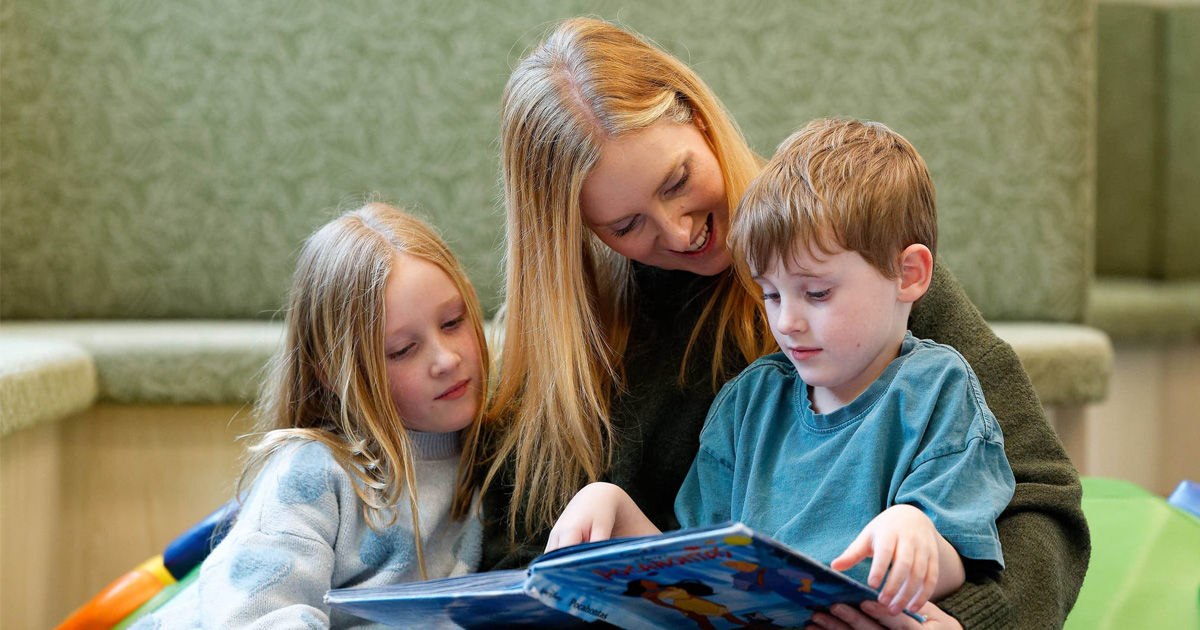
Walk through the jungle, hunt for the bear, or do the animal bop this Book Week! Acting out stories is a wonderful way to encourage active play with your child.

Four outstanding members of The Kids Research Institute Australia family – three researchers and an Aboriginal Elder co-researcher – have been named in the Australia Day Honours List for their outstanding service to research and the community.
Nurturing children's health together: A collaboration between early childhood education and care (ECEC) educators and parents on active play and eating well