
Search
Natural Language Sampling (NLS) offers clear potential for communication and language assessment, where other data might be difficult to interpret. We leveraged existing primary data for 18-month-olds showing early signs of autism, to examine the reliability and concurrent construct validity of NLS-derived measures coded from video-of child language, parent linguistic input, and dyadic balance of communicative interaction-against standardised assessment scores. Using Systematic Analysis of Language Transcripts (SALT) software and coding conventions, masked coders achieved good-to-excellent inter-rater agreement across all measures.
Our previous cross-sectional investigation (Chetcuti et al., 2020) showed that infants with autism traits could be divided into distinct subgroups based on temperament. This longitudinal study builds on this existing work by exploring the continuity of temperament subgroup classifications and their associations with behavioral/clinical phenotypic features from infancy to toddlerhood.
Parental support is strongly correlated with protective factors for trans youth yet most experience parental rejection or ambivalence regarding their gender. Many parents report a desire to support their child but indicate lack of understanding and support as key barriers. We aimed to develop a nuanced understanding of the challenges and facilitators experienced by Australian parents in developing understanding, support and acceptance of their child’s gender and their needs to do so.
Parental support is strongly correlated with protective factors for trans youth, however, most experience unsupportive parental attitudes. We aimed to better understand how youth perceive parental reactions to their gender identity disclosure and what they consider to be barriers to, and facilitators of, support.
Early intervention within First Episode Psychosis (FEP) recovery efforts support functional recovery in several ways, including increasing levels of (1) physical activity (2) life skills, and (3) social connectivity. Sport has been proposed as an ideal platform to target these three goals simultaneously.
There are well-described sex-based differences in how the immune system operates. In particular, cisgender (cis) females have a more easily activated immune system; associated with an increased prevalence of autoimmune diseases and adverse events following vaccinations. Conversely, cis males have a higher threshold for immune activation, and are more prone to certain infectious diseases, such as coronavirus disease (COVID-19).
This research aims to improve the mental health of LGBTQIA+ individuals through enhanced inclusive practice training for trainee health professionals.
Yael Perry BPsych (Hons) MPsych (Clin) PhD Head, Youth Mental Health 08 6319 1298 yael.perry@thekids.org.au Head, Youth Mental Health @yaelperry she/
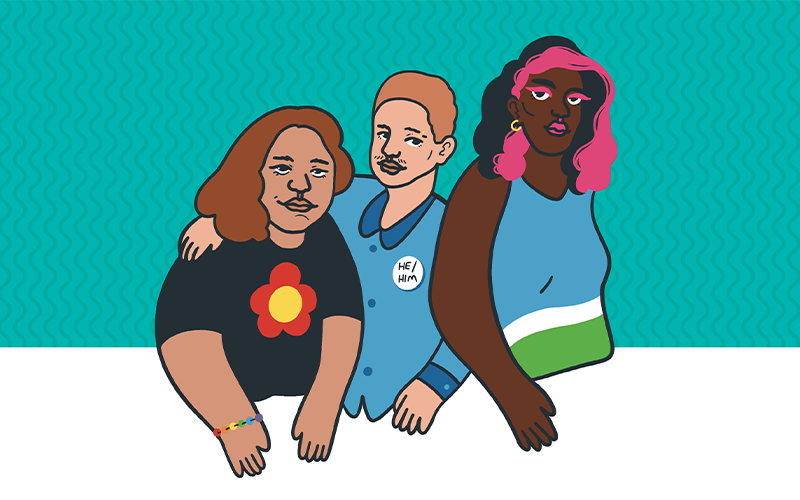
These guidelines outline a set of best practices for suicide prevention in LGBTQA+ young people, targeting both clinical and community service providers.
This study aimed to evaluate and compare the effectiveness of two brief written anti-stigma resources.