
Search
Latest news & events at the Wesfarmers Centre of Vaccines & Infectious Diseases.
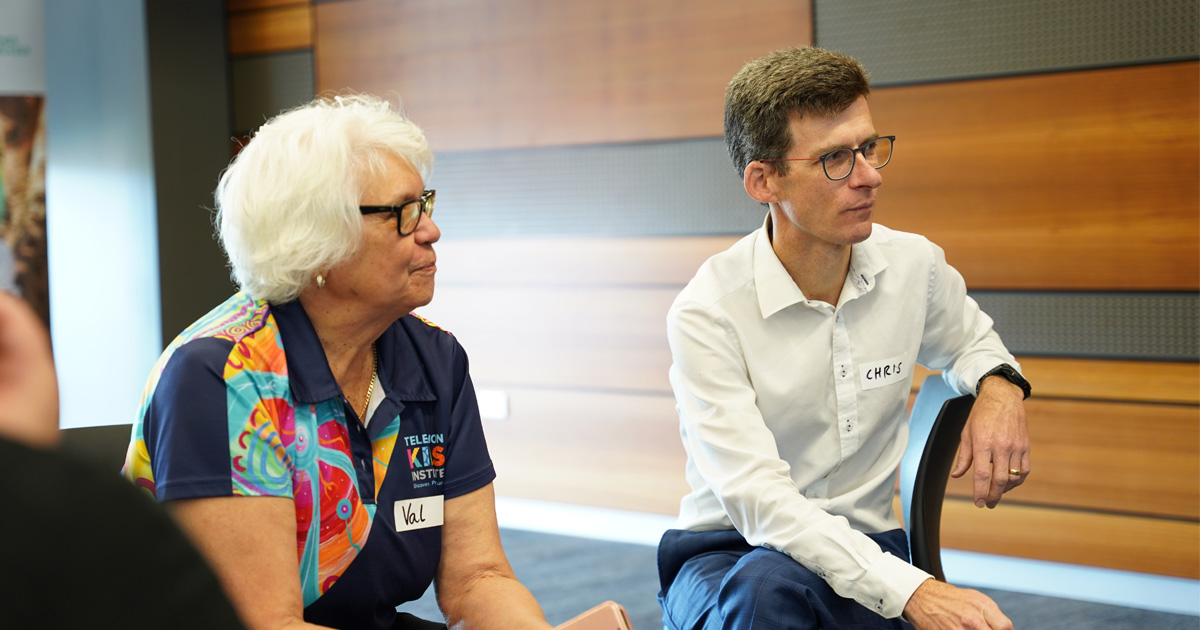
Researchers from the Wesfarmers Centre of Vaccines and Infectious Diseases at The Kids Research Institute Australia have shared their expertise with the community in Cockburn, covering topics ranging from respiratory disease in babies to recurring ear infections in kids.
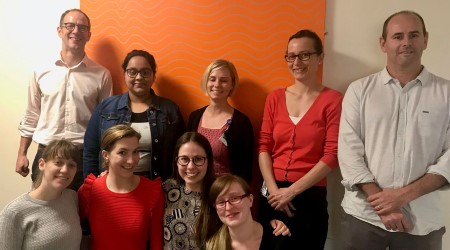
Clinical Professor Tobias Strunk, Dr Andrew Currie and their Neonatal Infection and Immunity Team have become the newest members of the Wesfarmers Centre of Vaccines and Infectious Diseases.
Aboriginal children and families contend with higher rates of preventable infectious diseases that can be attributed to their immediate living environment. The environments in which children spend most of their time are their homes and schools. We aimed to understand the opportunities in the school setting to support student skin health and wellbeing through environmental health activities, how these activities were completed, and the barriers to their implementation.
Although essential for overall health and wellbeing, little is known about skin health in urban-living Australian Aboriginal children. This co-designed, research-service project aimed to describe skin health and document skin disease frequency in urban-living Aboriginal children and young people in Western Australia and investigate housing associations for skin infections.
The transmission of Group A Streptococcus (Strep A) through respiratory droplets has been considered the dominant mode of transmission to date; however, little is known about the relative contribution of other modes of transmission. This review systematically summarises the contemporary evidence regarding the transmission of Strep A.
Skin conditions most frequently encountered in paediatric practice include infections, infestations, atopic dermatitis, and acne. Skin of colour refers to skin with increased melanin and darker pigmentation, and reflects global racial and ethnic diversity.
Skin health is widely recognised as being important for overall good health and well-being, yet the burden of skin infections in remote Aboriginal communities remains high. This project aimed to explore if virtual support for skin health could be a strategy to reduce community barriers to skin health engagement.
Bacterial skin infections and scabies disproportionately affect children in resource-poor countries as well as underprivileged children in high-income countries. Atopic dermatitis is a common childhood dermatosis that predisposes to bacterial skin infection.
Staphylococcus aureus is a common cause of bacteremia, yet the epidemiology and predictors of poor outcome remain inadequately defined in childhood. ISAIAH (Invasive Staphylococcus aureus Infections and Hospitalizations in children) is a prospective, cross-sectional study of S. aureus bacteremia in children hospitalized in Australia and New Zealand over 24 months.