
Search
Infants with KMT2A-rearranged B-cell acute lymphoblastic leukemia (ALL) have a dismal prognosis. Survival outcomes have remained static in recent decades despite treatment intensification and novel therapies are urgently required.
Here, we provide a feasible, well-designed protocol of a randomised controlled trial for the assessment of the effects of a home-based multidisciplinary intervention on the severity of skin adverse drug reactions and health-related indicators in patients with non-small cell lung cancer (NSCLC) under epidermal growth factor receptor tyrosine kinase inhibitor (EGFR-The Kids) therapy.
Outcomes for infants diagnosed under 1 year of age with KMT2A-rearranged acute lymphoblastic leukemia (ALL) have remained stagnant over the past 20 years. Successive treatment protocols have previously focused on intensification of conventional chemotherapy, but increased treatment-related toxicity and chemoresistance have led to a plateau in survival.
Natural killer (NK) cells have an intrinsic ability to detect and eliminate leukaemic cells. Cellular therapies using cytokine-activated NK cells have emerged as promising treatments for patients with advanced leukaemia. However, not all patients respond to current NK cell therapies, and thus improvements in efficacy are required.
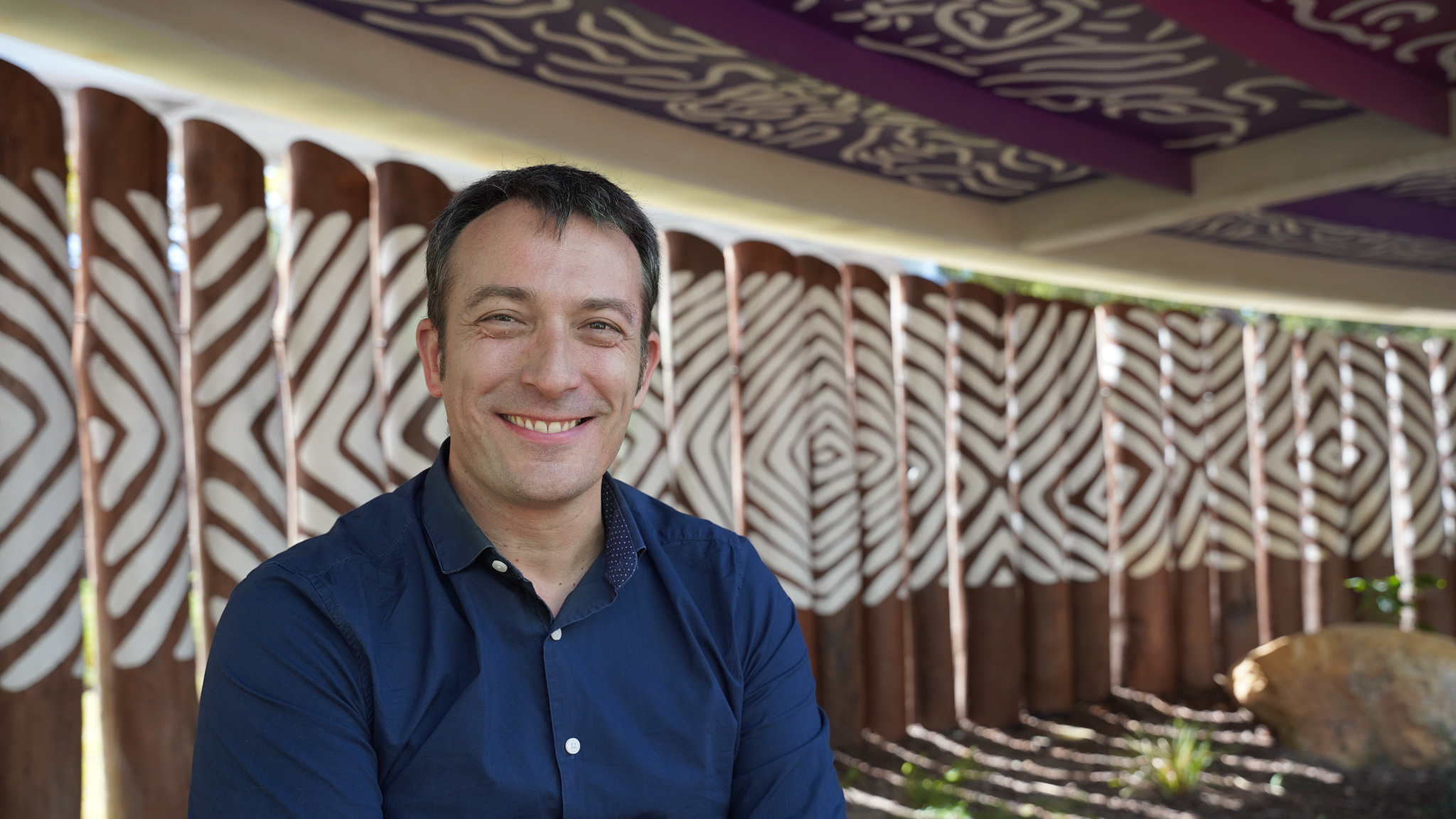
Dr Sébastien Malinge has received a Stan Perron Charitable Foundation Research Fellowship for his pioneering research, which is paving the way for safer, targeted therapies for children with hard-to-treat leukaemia
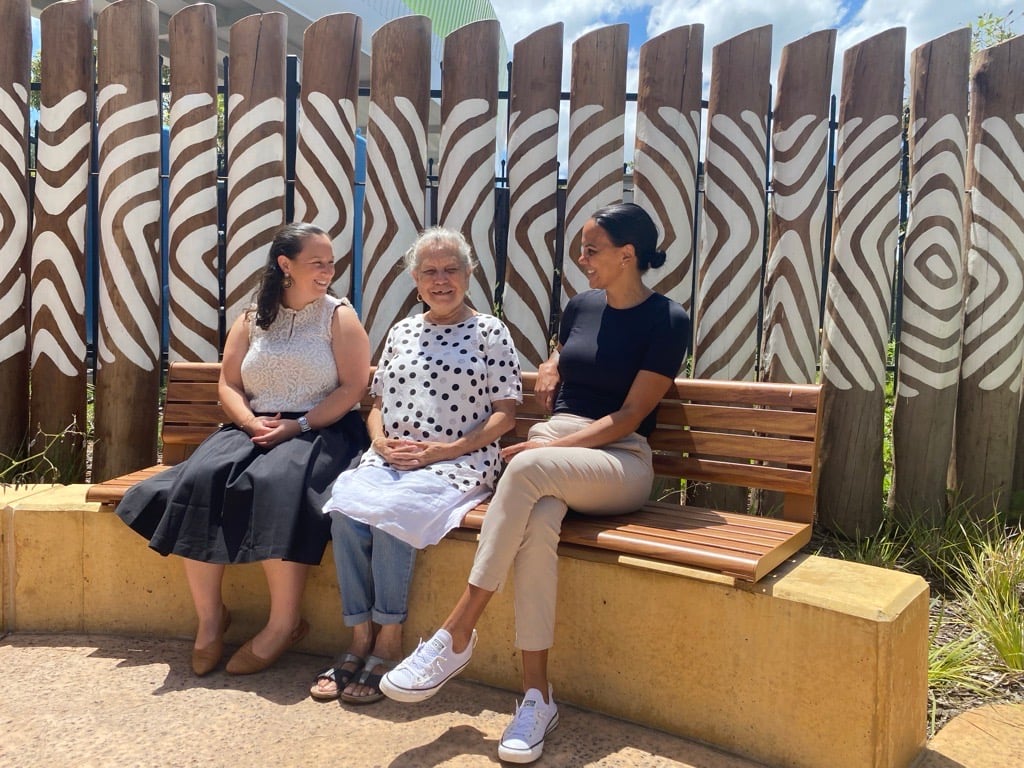
A first of its kind research program at The Kids Research Institute Australia aims to develop new strategies to better treat First Nations children with cancer.
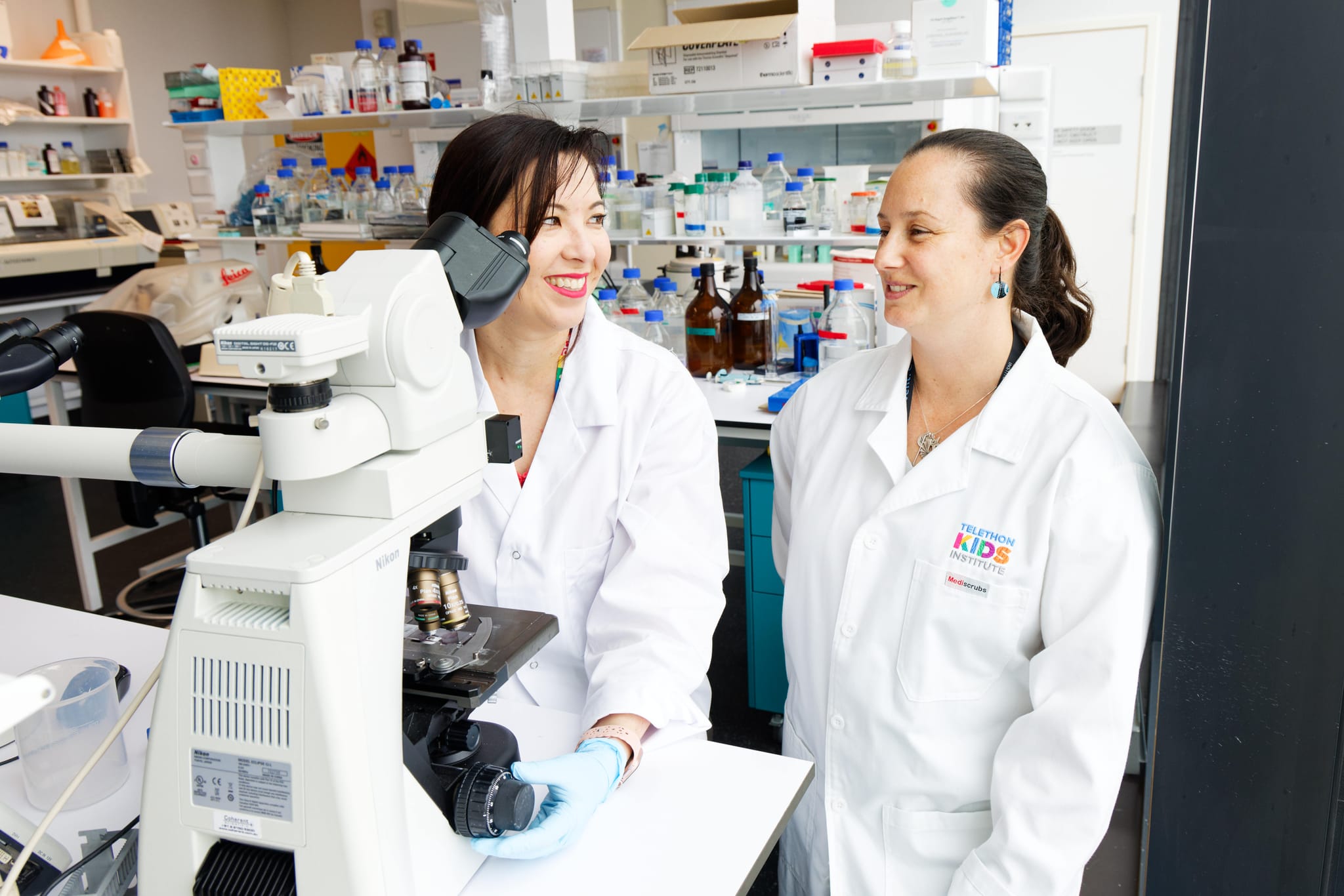
Dr Jessica Buck and Associate Professor Raelene Endersby have been appointed to the prestigious Australian Brain Cancer Mission Expert Advisory Panel.
RNA-sequencing (RNA-seq) efforts in acute lymphoblastic leukaemia have identified numerous prognostically significant genomic alterations which can guide diagnostic risk stratification and treatment choices when detected early.
Malignant central nervous system (CNS) cancers are among the most difficult to treat, with low rates of survival and a high likelihood of recurrence. This is primarily due to their location within the CNS, hindering adequate drug delivery and tumour access via surgery. Furthermore, CNS cancer cells are highly plastic, an adaptive property that enables them to bypass targeted treatment strategies and develop drug resistance.
Pediatric acute lymphoblastic leukemia (ALL) therapy is accompanied by treatment-related toxicities (TRTs) and impaired quality of life. In Australia and New Zealand, children with ALL are treated with either Children's Oncology Group (COG) or international Berlin-Frankfurt-Munster (iBFM) Study Group-based therapy.