
Search
Evidence suggests that the earlier supports are provided to young Autistic children, the better the overall outcomes. Supports have typically only been available after an autism diagnosis but with increased knowledge about early developmental trajectories, clinical supports can now be offered prediagnosis for infants showing early autism features and/or those with a family history of autism.
Youth sports programs provide an opportunity to embed mental health and wellbeing programs to reach young people with mental health support. The aims of this study were to (a) examine mental health outcomes from a youth sports program including a mental health program (Life-Fit-Learning) in adolescent boys and girls, and (b) among the larger cohort of adolescent boys, to examine whether partial or full completion of Life-Fit-Learning yielded different outcomes for boys within healthy and high-risk ranges for anxiety, depression and behavioral concerns.
Globally, Indigenous peoples have incurred significant harm due to colonisation of their lands. Dispossession of culture, language, family and land, and the historical, systematic removal of children in Australia (the ‘Stolen Generation’), has resulted in evident ongoing negative outcomes in the contemporary lives of Aboriginal and Torres Strait Islander people.
Transgender and gender diverse (“trans”) people are more likely to experience adverse mental health outcomes due to the social adversities that are commonly experienced. One ameliorating factor for poor mental health outcomes can be connection to community, often facilitated in online spaces such as TikTok.
Parents of children with acute lymphoblastic leukaemia (ALL) experience emotional distress throughout their child's treatment course. This study describes the psychological experience of Australian and New Zealand parents of children diagnosed with ALL.

Congratulations to three The Kids Research Institute Australia researchers, who have been awarded funding from the Raine Medical Research Foundation.

The Kids Research Institute Australia researchers have been awarded more than $10 million in research funding from the National Health and Medical Research Council (NHMRC).
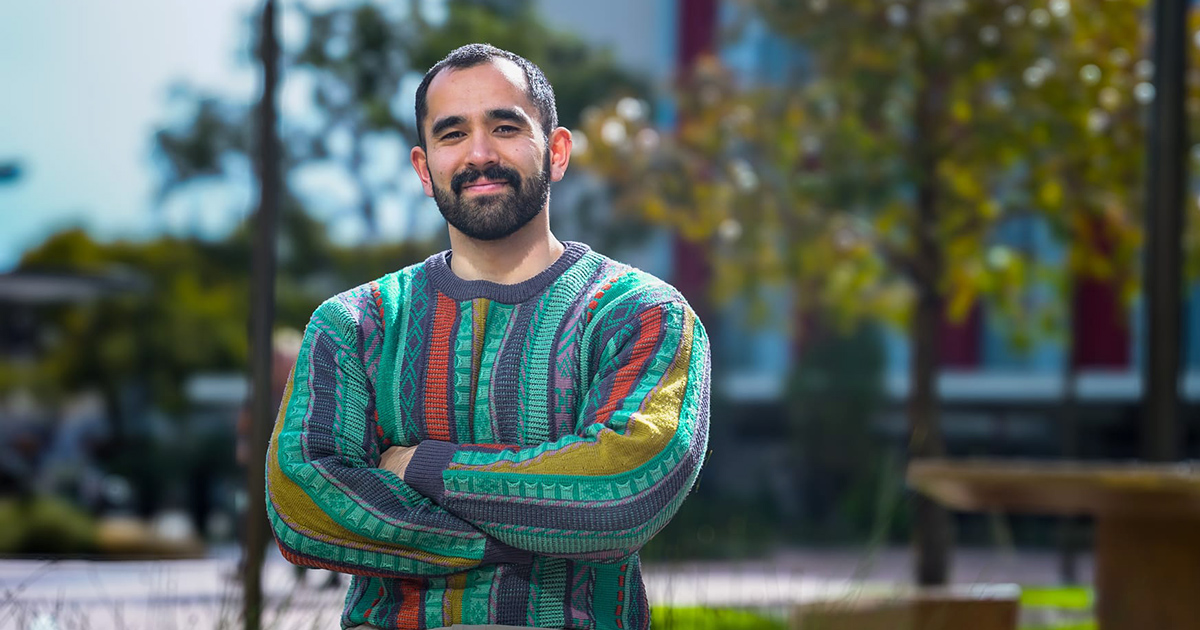
Dr Vincent Mancini, a Senior Research Fellow at The Kids Research Institute Australia, has been awarded a prestigious three-year Fellowship to develop and implement an intervention to support the welfare of regional WA fathers and families in the neonatal intensive care unit (NICU).
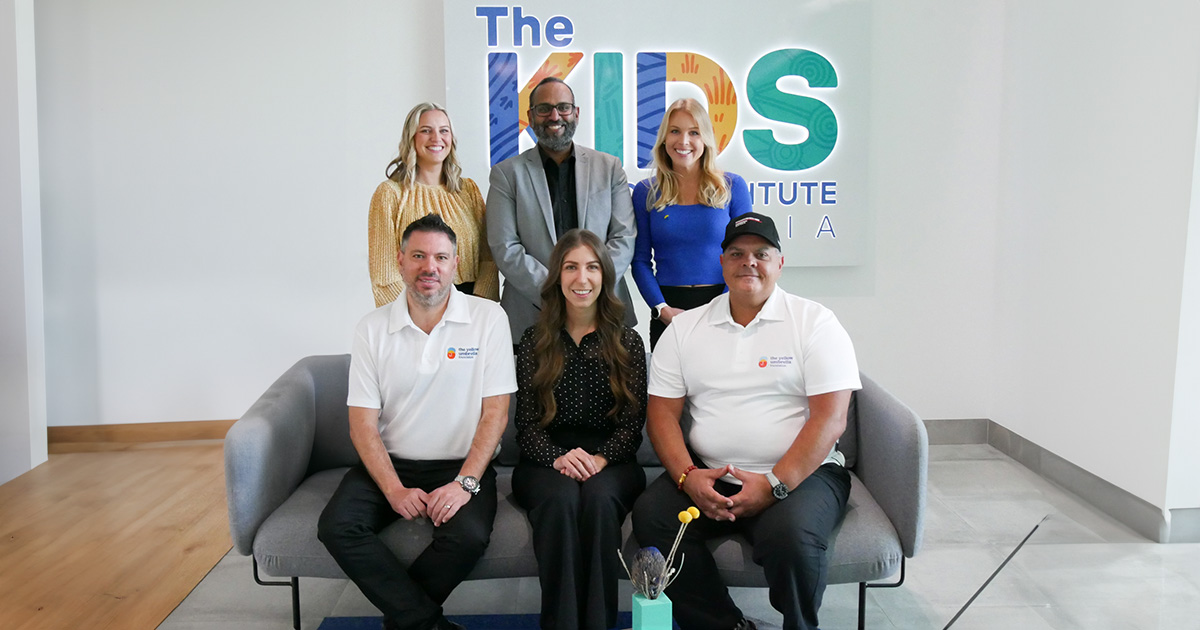
The Kids Research Institute Australia is deeply grateful to The Yellow Umbrella Foundation for their generous gift of $38,453 to help fund a new mental health initiative for parents and caregivers of children living with intellectual disability.

The Kids Research Institute Australia warmly welcomes youth mental health researcher Associate Professor Kathryn Modecki.