
Search
Despite advances in immunotherapy, metastatic melanoma remains a considerable therapeutic challenge due to the complexity of the tumor microenvironment. Intratumoral type I interferon (IFN-I) has long been associated with improved clinical outcomes. However, several IFN-I subtypes can also paradoxically promote tumor growth in some contexts.
Down syndrome, the most common genetic disorder, is caused by the presence of all or part of a third copy of chromosome 21. We identified the top 10 patient and carer research priorities for children with Down syndrome.
Type-2 diabetes is a systemic condition with rising global prevalence, disproportionately affecting Indigenous communities worldwide. Recent advances in epigenomics methods, particularly in DNA methylation detection, have enabled the discovery of associations between epigenetic changes and Type-2 diabetes. In this review, we summarise DNA methylation profiling methods, and discuss how these technologies can facilitate the discovery of epigenomic biomarkers for Type-2 diabetes.

A The Kids Research Institute Australia researcher who is part of an international research project working to understand how our genes keep us healthy has been awarded an Au
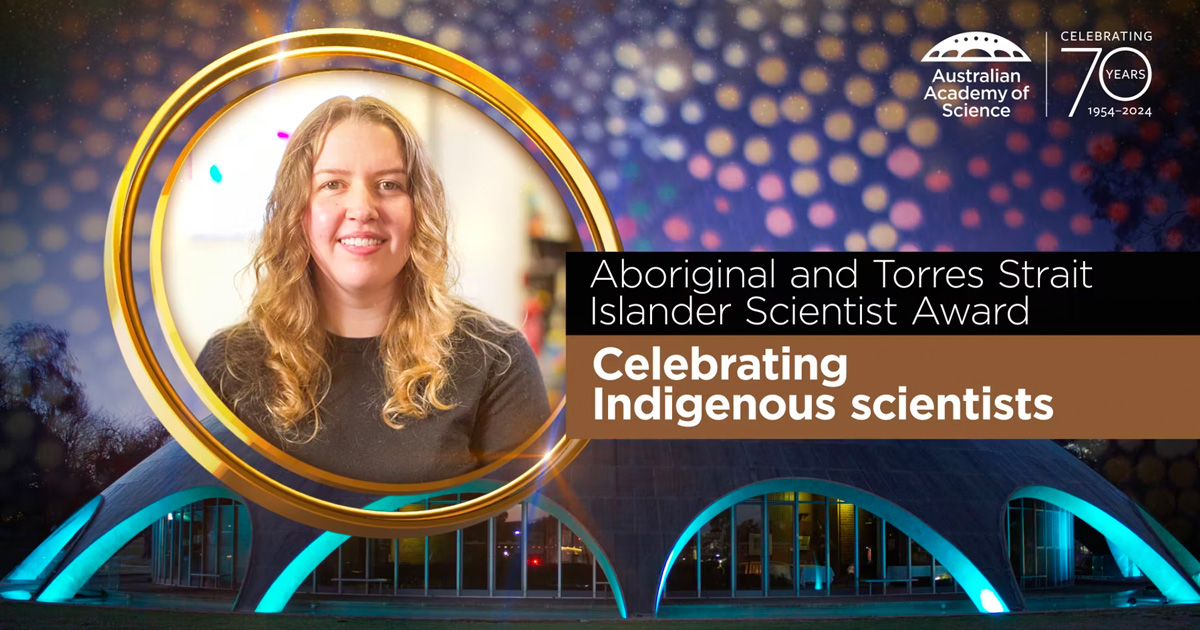
Congratulations to Indigenous genomics researcher Dr Justine Clark, who is one of two scientists nationally to receive the Australian Academy of Science’s 2024 Aboriginal and Torres Strait Islander Science Award.

A researcher's work from 20 years ago has helped to crack one of biology’s biggest mysteries.
Due to an advanced understanding of cancer biology and the rapid development of genomic technologies, cancer has shifted from 200 diseases based on pathology (i.e., what a tumor looks like under the microscope) to thousands of diseases based on molecular tumor profiles (i.e., what a tumor looks like when its altered genome is interrogated). Most cancers arise from alterations to the genome, including changes in the number or structure of chromosomes and variations in a single building block of the genetic code.
Streptococcus dysgalactiae subspecies equisimilis and Streptococcus pyogenes share skin and throat niches with extensive genomic homology and horizontal gene transfer possibly underlying shared disease phenotypes.
Longevity and disease-free survival are influenced by a combination of genetics and lifestyle. Biological age (BioAge), a measure of aging based on composite biomarkers, may outperform chronological age in predicting health and longevity. This study investigated the relationship between genetic risks, lifestyle factors, and delta age (Δage), estimated as the difference between biological and chronological age.
In this review, we provide an overview of food allergy genetics and epigenetics aimed at clinicians and researchers. This includes a brief review of the current understanding of genetic and epigenetic mechanisms, inheritance of food allergy, as well as a discussion of advantages and limitations of the different types of studies in genetic research.