
Search
Dietary intake during the first year of life is a key determinant of a child's growth and development. ORIGINS is a longitudinal birth cohort study investigating factors that contribute to a 'healthy start to life' and the prevention of non-communicable diseases.
The suboptimal sensitivity and specificity of available diagnostic methods for scabies hampers clinical management, trials of new therapies and epidemiologic studies. Additionally, parasitologic diagnosis by microscopic examination of skin scrapings requires sample collection with a sharp scalpel blade, causing discomfort to patients and difficulty in children. Polymerase chain reaction (PCR)-based diagnostic assays, combined with non-invasive sampling methods, represent an attractive approach.
Amidst the evolving COVID-19 pandemic, understanding the transmission dynamics of the SARS-CoV-2 virus is key to providing peace of mind for the community and informing policy-making decisions. While available data suggest that school-aged children are not significant spreaders of SARS-CoV-2, the possibility of transmission in schools remains an ongoing concern, especially among an aging teaching workforce. Even in low-prevalence settings, communities must balance the potential risk of transmission with the need for students' ongoing education.
The prevalence of group A streptococcal disease remains high among symptomatic individuals residing in Africa
These data highlight the importance of recognising Sporotrichosis in children outside an outbreak setting
ORIGINS is the largest study of its kind in Australia, following 10,000 children, from their time in the womb, over a decade to improve child and adult health.
The Australian National Healthy Skin Guideline summarises evidence-based treatment of impetigo, scabies and fungal infections in high burden settings
Publications, papers and findings coming out of ORIGINS and its sub-projects
The Group A β-hemolytic Streptococcus pharyngeal carriage rates seen in Uganda (15.9%) are higher than the most recent pooled results globally, at 12%
An interventional birth cohort researching ways to optimise health and identify conditions that enable every child to flourish from an early age.
Health service utilisation in this setting may be enhanced by improving general awareness of the significance of childhood skin infections
There is low coverage of the multivalent M protein vaccine in our setting, emphasizing the need to reformulate the vaccine to improve coverage
Skin infection burden in remote Aboriginal communities can be reduced by the See, Treat, Prevent (SToP skin sores and scabies) trial
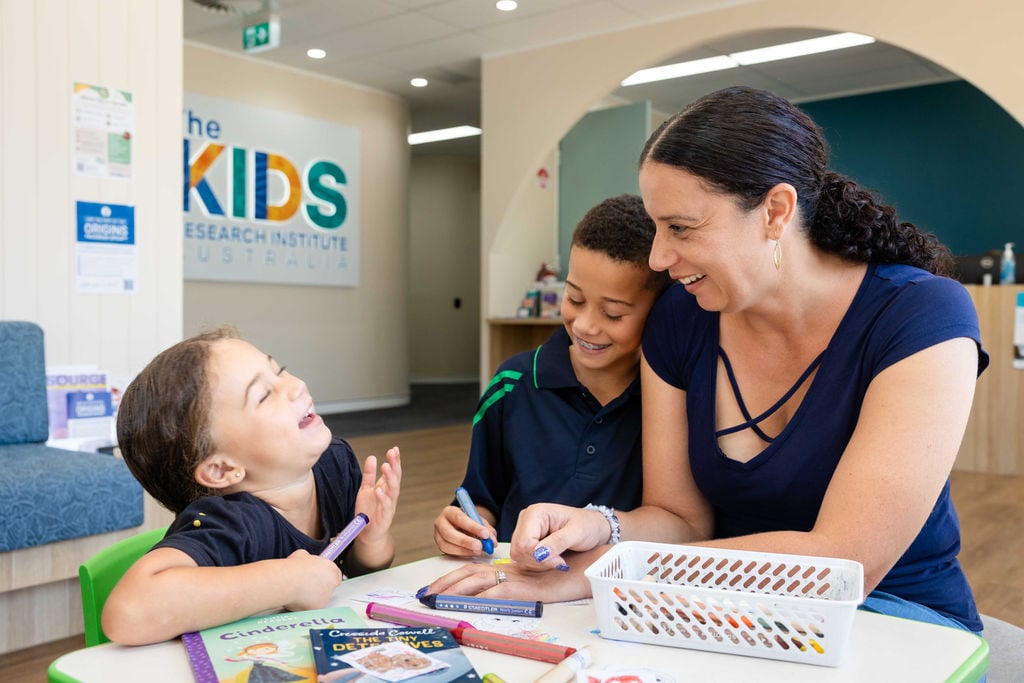
A unique national platform delivering faster research at scale to improve the health, wellbeing and equity of children and their parents across Australia

All participating families to receive $10 e-voucher for this generous donation.*
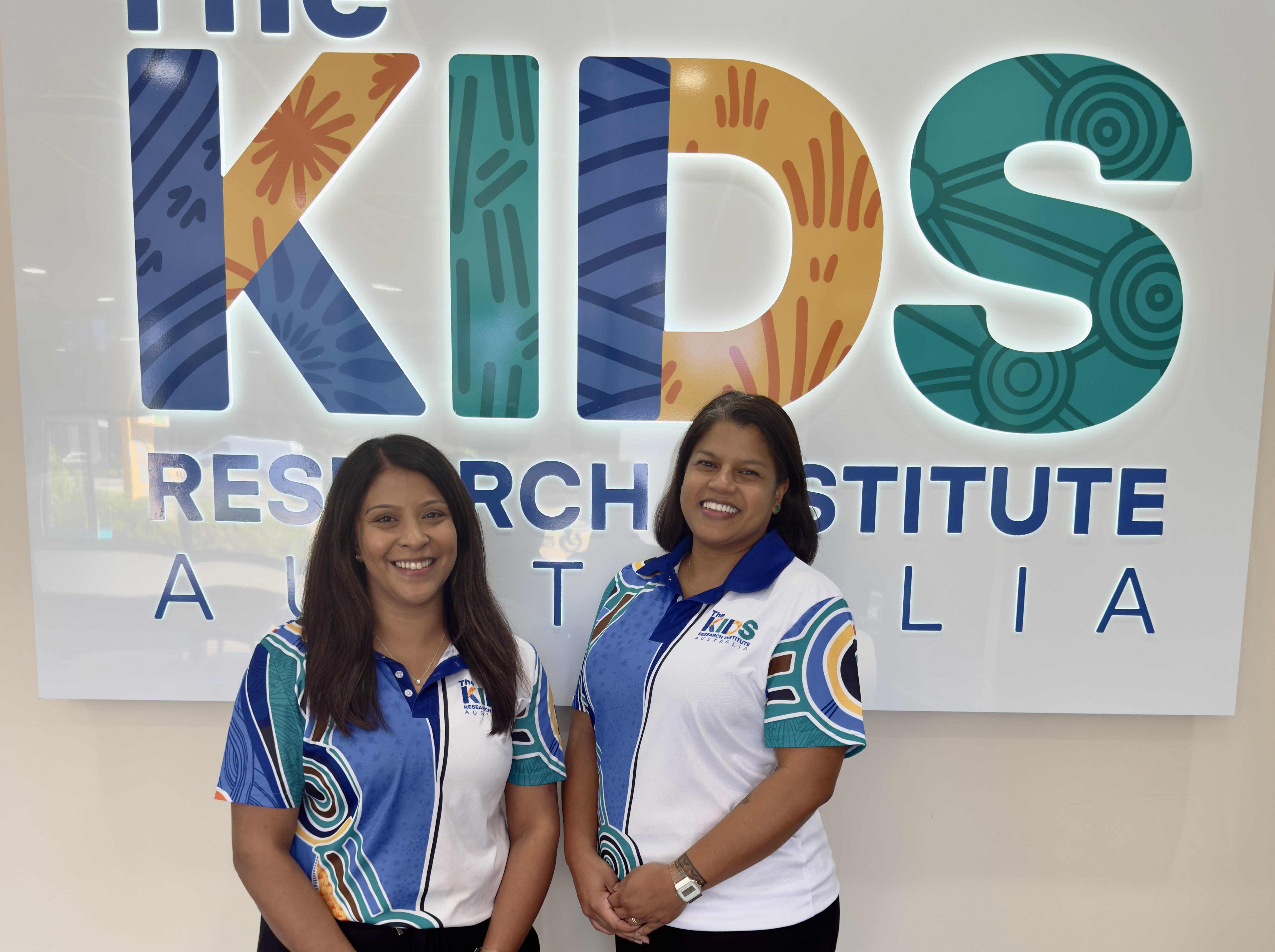
Hear from Avril Bezant, ORIGINS Data Coordinator, and Alexis Harun, ORIGINS Paediatric Coordinator, and be reminded that it’s never too late to pursue your passion along with their hopes for women entering a STEM career.
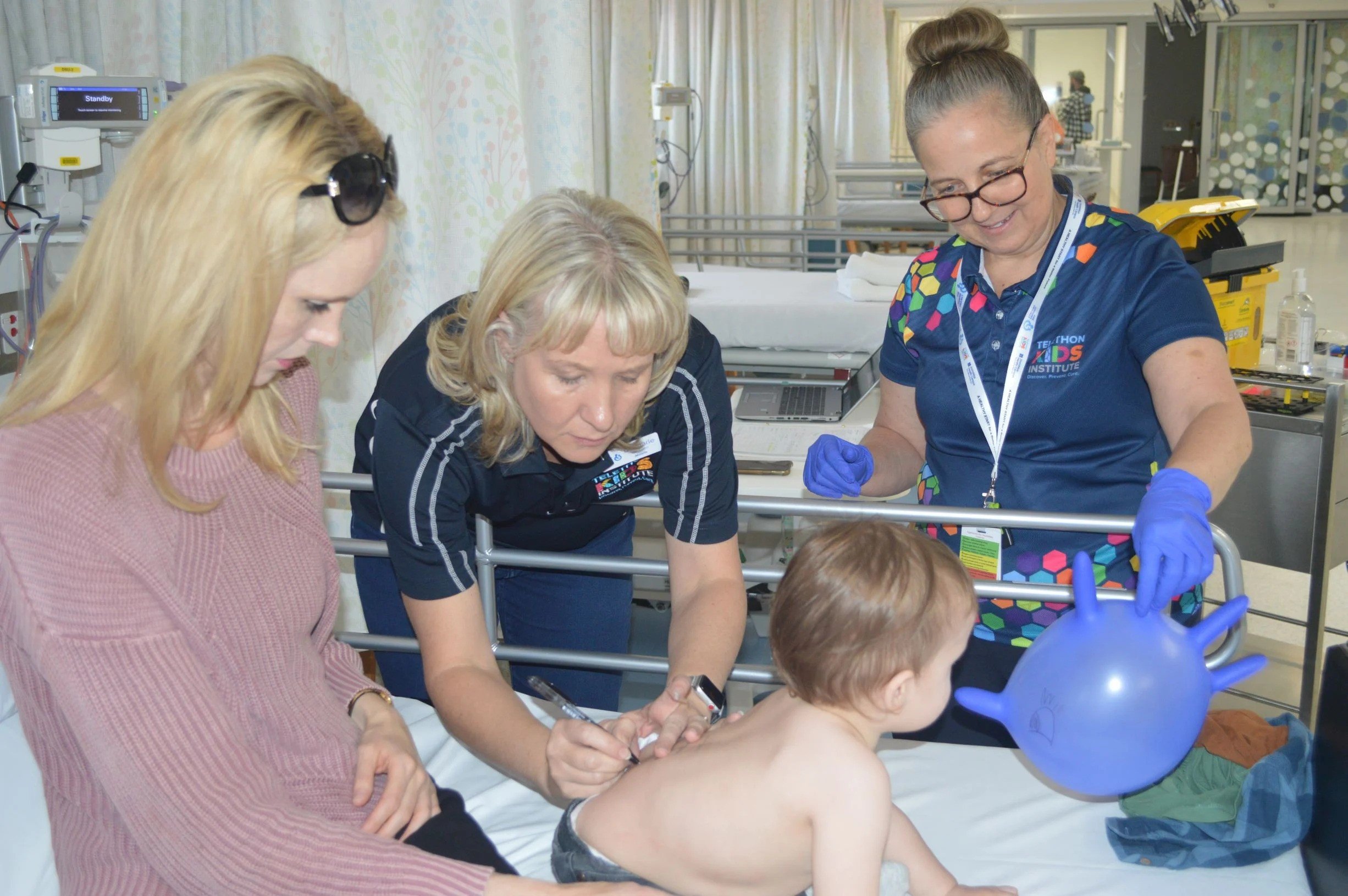
This fellowship will assist Associate Professor Palmer in her large-scale food allergy prevention trials.
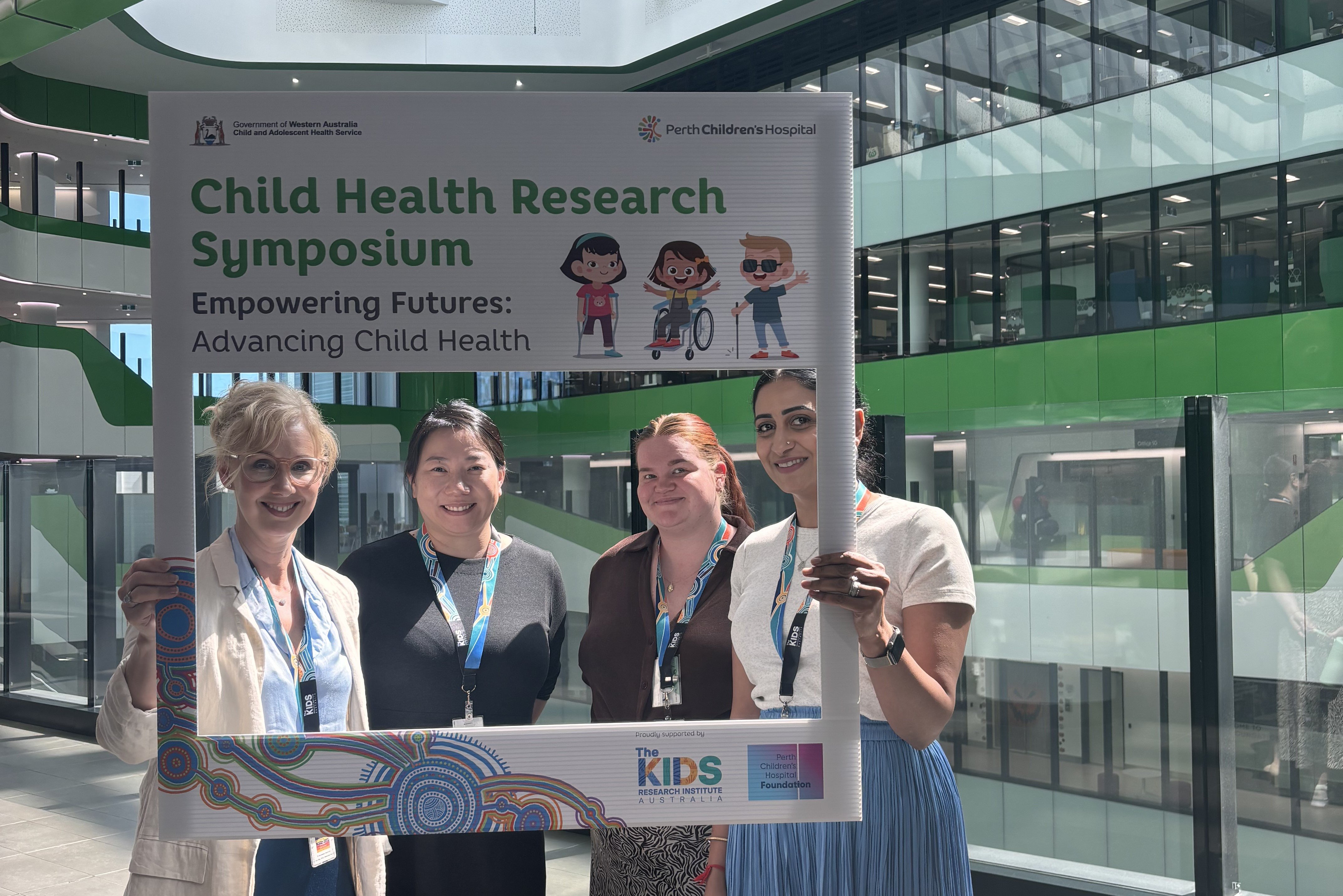
ORIGINS featured heavily at this years Child and Adolescent Health Services (CAHS) Symposium, with presentations from our Co-Director, Professor Desiree Silva, and ORIGINS Data Manager, Dr Sarah Whalan.
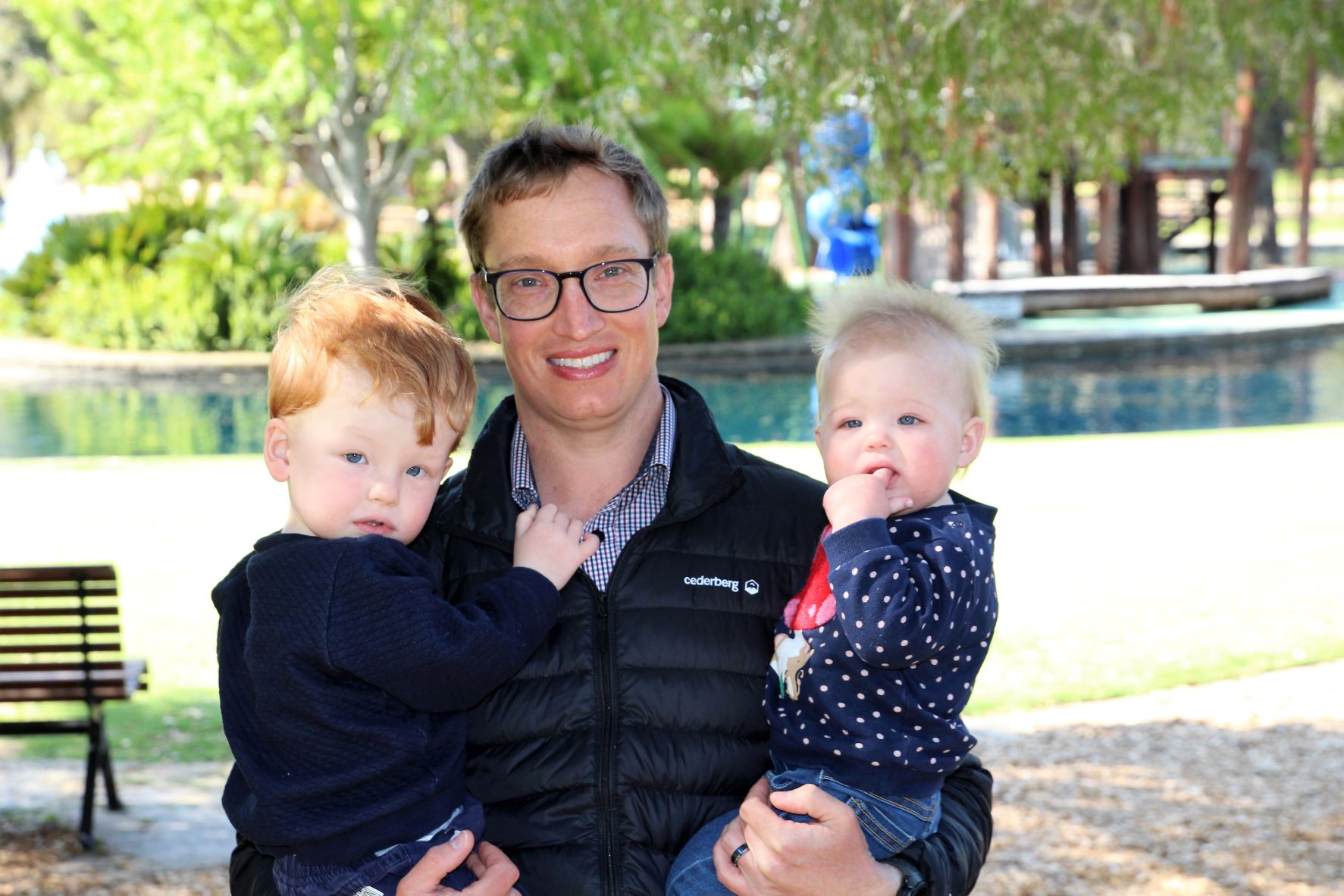
ORIGINS sub-project, Flourishing in Fatherhood, has placed runner up in Ramsay Health Care's research-month competition!